
Heavy rainfall over the past week caused flash floods in Sikkim, leading to landslides, road blockages and the evacuation of several villages in the state[1]. The sudden inundation has drawn renewed attention to the threat of glacial lake outburst floods (GLOFs) in the Indian Himalayas[1]. According to The Daily Jagran, a recent assessment identified 25 glacial lakes across the Indian Himalayan region as being "very dangerous" based on their size, moraine stability and the vulnerability of downstream settlements[2]. The study, which examined lakes in Uttarakhand, Himachal Pradesh and Sikkim, warned that unchecked meltwater could trigger catastrophic releases[2]. State disaster management officials in Sikkim activated emergency response teams, deployed rescue helicopters and set up temporary shelters for displaced residents[1]. Preliminary reports indicate that the floods damaged agricultural fields, disrupted power supply and caused temporary suspension of railway services in the affected districts[1]. Experts from the Indian Institute of Remote Sensing have been called in to monitor lake levels using satellite imagery and to advise on mitigation measures such as controlled drainage and reinforcement of lake embankments[1]. The Ministry of Home Affairs has also issued an advisory urging local administrations to update early warning systems and conduct community awareness programmes on GLOF risks[1]. Climate scientists attribute the increasing frequency of such events to accelerated glacier melt driven by rising temperatures in the Himalayas[1]. While no fatalities have been reported so far, authorities continue to assess the full extent of damage and are coordinating with the National Disaster Response Force for further relief operations[1]. The focus on glacial lake hazards is expected to shape future disaster preparedness strategies across the Himalayan states[2].
Key facts
- Flash floods in Sikkim caused landslides, road blockages and evacuations[1]
- 25 glacial lakes in the Indian Himalayas have been classified as very dangerous[2]
- State disaster teams deployed rescue helicopters and set up temporary shelters[1]
- Satellite monitoring is being used to track lake levels and assess GLOF risk[1]
- Climate change is linked to increased glacier melt and heightened flood risk[1]
Sources
This report was drafted with AI from the public sources listed below and edited by a named EastMojo editor before publication.
Related stories
 Disaster & Weather · Sikkim
Landslide disrupts Pelling-Yuksomroad
Landslide disrupts Pelling-Yuksomroad Sikkimexpress Google News (multi-source) · 6 hr ago Disaster & Weather · Sikkim
Sikkim landslide snaps road link to SSB battalion HQ, disrupts major tourism route
Sikkim landslide snaps road link to SSB battalion HQ, disrupts major tourism route India Today NE Google News (multi-source) · 11 hr ago Disaster & Weather · Sikkim
Landslide threatens Singlitam and Rimbi in Sikkim’s Gyalshing, two houses evacuated
Landslide threatens Singlitam and Rimbi in Sikkim’s Gyalshing, two houses evacuated The Statesman Google News (multi-source) · 16 hr ago Disaster & Weather · Assam
After Mathgharia landslide, govt pledges compensation, relocation of hill dwellers
After Mathgharia landslide, govt pledges compensation, relocation of hill dwellers The Assam Tribune Google News (multi-source) · 2 d ago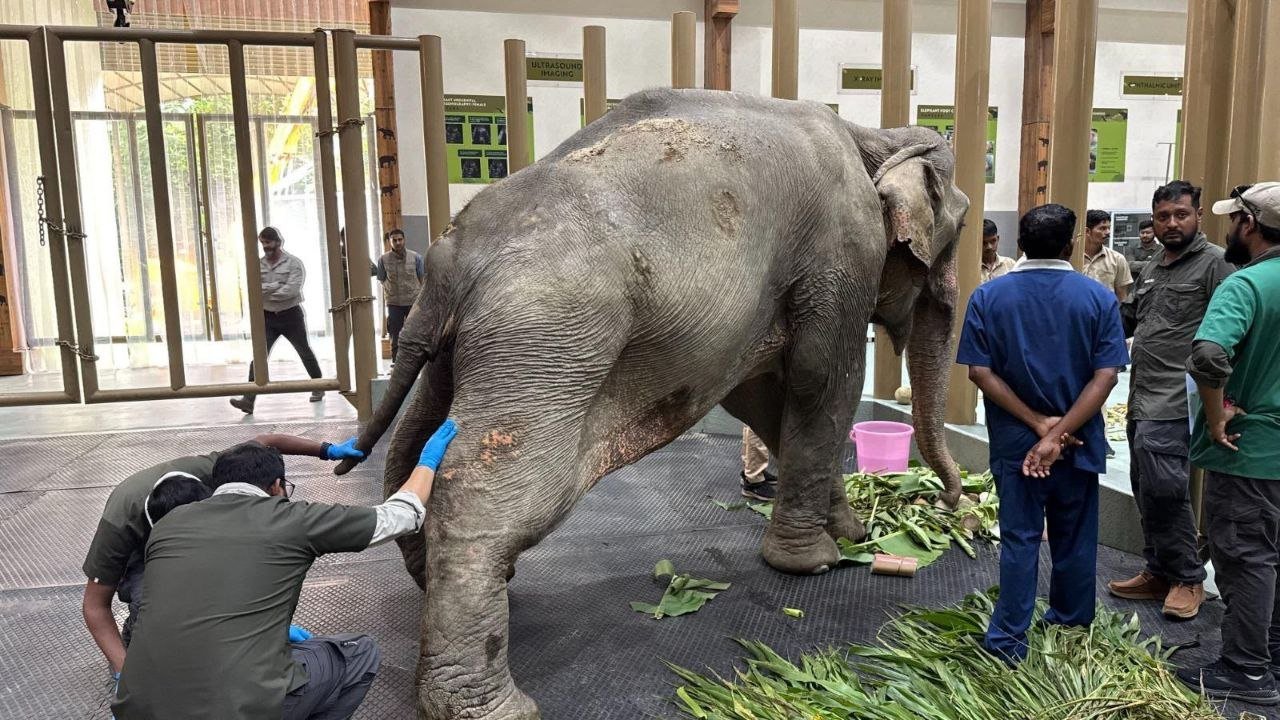 Environment · Sikkim
Elephant Joymoti Airlifted to Vantara for Urgent Medical Care After Nagaland Flood Rescue
53‑year‑old elephant Joymoti, rescued from July floods in Nagaland, has been flown to Vantara in Jamnagar where she is under specialised veterinary treatment for multiple injuries. The Sikkim Chronicle · 4 d ago Disaster & Weather · Assam